
MENGO logo
Back to Blog
Published articleB2B sourcing

Dishwasher Supplier Evaluation Scorecard: Questions to Ask Before Samples

A practical scorecard for importers and appliance buyers deciding whether a dishwasher supplier is ready for samples and model-level follow-up.

Target audience

Importers, distributors, appliance brands, sourcing teams, and private label buyers

dishwasher supplier evaluation scorecarddishwasher supplier checklistdishwasher supplier questionsOEM dishwasher supplierdishwasher sample evaluation
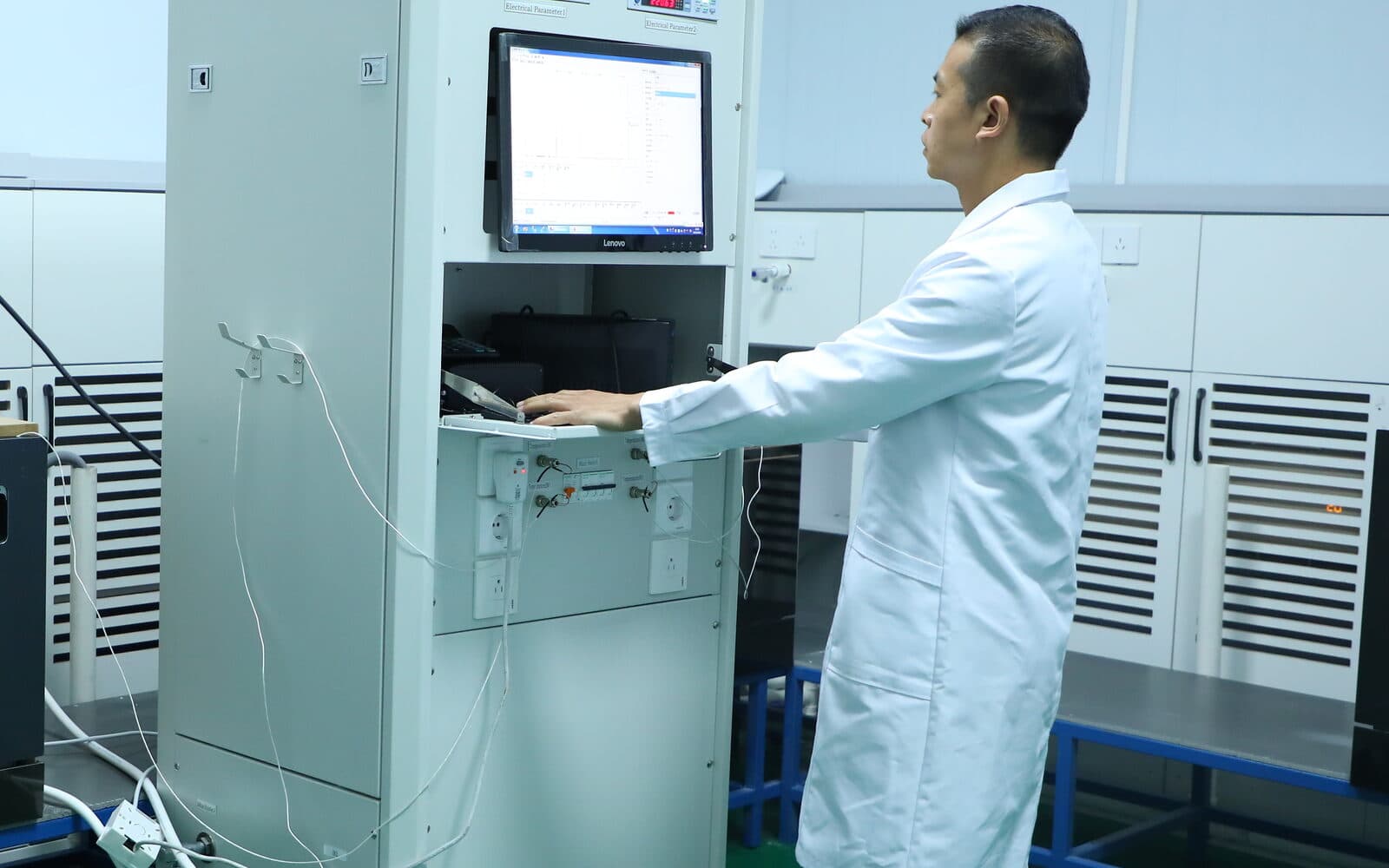
Dishwasher laboratory testing setup for supplier documentation and evaluation
01

Do Not Judge a Supplier Only by the Catalogue

Before requesting samples, many buyers have the same question: Is this dishwasher supplier worth my time?

The answer is not only in the catalogue. A supplier may have product photos and model names, but the real test is what happens before samples: do they understand the buyer's market, explain product differences, answer technical questions, organize sample evaluation, and separate confirmed information from items that still need checking?

If these points are weak, the buyer may spend weeks comparing the wrong model or asking the same question again.

Conversation quality checks

  • Does the supplier ask about your target market?
  • Can they explain product type differences?
  • Do they answer technical questions clearly?
  • Do they help prepare for sample evaluation?
02

Use the First Conversation as a Supplier Assessment

A supplier assessment does not need to start with a formal factory audit. For an early dishwasher sourcing project, the first conversation already gives useful signals.

This is not a final judgement about the supplier. It is a practical way to decide whether the buyer should spend more time, request more files, or move toward sample evaluation.

Early supplier conversation check

Check levelWhat it meansBuyer action
ClearThe supplier asks relevant questions and gives model-specific next steps.Continue to shortlist models or sample discussion.
UnclearThe supplier has products, but the answers are broad or incomplete.Ask follow-up questions before samples.
RiskyThe supplier pushes a model without checking market, product type, or sample purpose.Slow down and request clearer information.
03

Green Flag: They Ask About Your Market Before Recommending a Model

A strong supplier does not rush to recommend one model. They first try to understand where and how the dishwasher will be sold.

Useful market questions include country or region, voltage and frequency, sales channel, whether the buyer is testing a new category or expanding an existing range, and whether there are local document, manual, or sales material questions.

This is a green flag because the supplier is not only selling a product. They are trying to match the product to the buyer's market.

04

Green Flag: They Explain Product Differences in Plain Language

Dishwasher buyers may use different words for similar products. One buyer may say tabletop, another may say countertop, and another may ask for a larger unit that actually belongs to built-in or under-counter discussion.

A useful supplier can explain the difference in simple terms: compact countertop products for smaller spaces or online channels, built-in products for kitchen installation, integrated products for panel or cabinetry discussion, and freestanding products for wider lineup planning with model status confirmed through sales.

The supplier does not need to overcomplicate the explanation. The key is whether the buyer can understand which direction fits the market.

Product pages for supplier-fit checks

A useful supplier should be able to connect product type to the buyer's channel and market.

05

Green Flag: They Separate Confirmed Information From Items to Check

In early sourcing, not every answer should sound final.

A reliable supplier can say which information is available for the model, which item needs model-level confirmation, which question depends on the target market, and which item needs sales or internal confirmation before public use.

That kind of answer is more useful than a reply that sounds confident but gives no confirmation path.

For technical questions, ask about tub structure, filter or cleaning system, control panel, color options, dimensions, installation expectation, and what needs engineering or sales confirmation.

06

Green Flag: They Treat Samples as an Evaluation Process

A sample is not just a shipment. It is a decision tool.

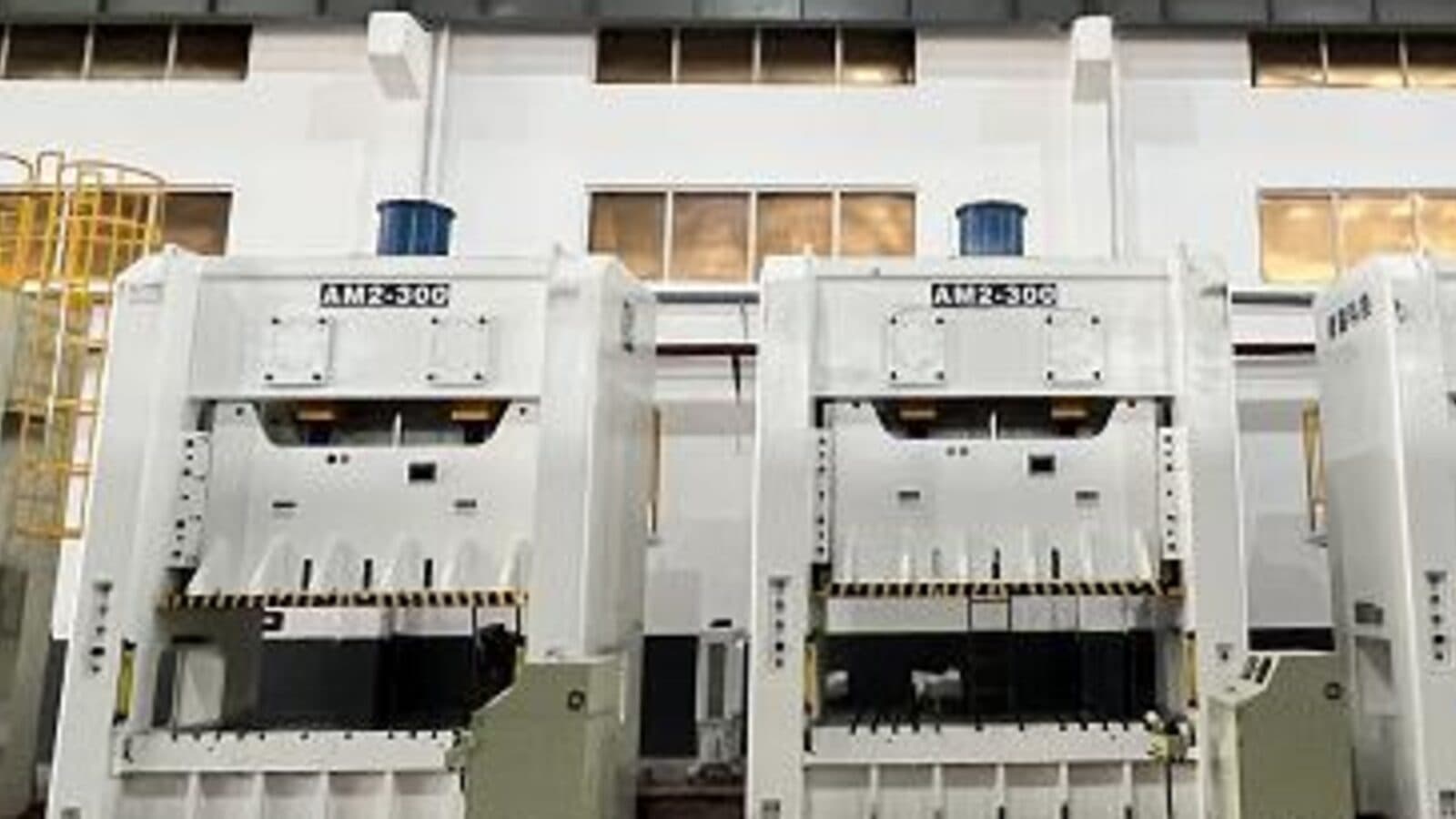
Metal forming equipment visual for evaluating dishwasher supplier manufacturing process

Before sending a sample request, ask how the supplier helps buyers evaluate which model should be sampled, what the buyer should check after receiving it, which photos, videos, or documents should be checked before shipment, how packaging protection should be discussed, and what decision the buyer will make after sample evaluation.

A green flag is a supplier that helps organize the sample discussion. A red flag is a supplier that treats the sample as a simple unit shipment with no evaluation purpose.

07

Red Flags to Notice Early

Early red flags do not always mean the supplier is unusable. They mean the buyer should slow down and ask better questions.

Watch for these signals: the supplier sends many products but does not ask about the target market; the supplier cannot explain product type differences; technical answers are vague or copied from generic materials; samples are treated as a shipment, not an evaluation process; private label discussion stays at yes without model or packaging context; photos and videos do not answer buyer questions; document questions are answered with broad statements instead of model-specific confirmation.

If several of these appear together, the buyer should ask for clearer answers before moving deeper.

08

What to Check Before Arranging Samples

Sample discussion is where weak supplier communication becomes expensive in time and attention. Before arranging samples, the buyer should ask for enough information to know what the sample is supposed to prove.

A strong supplier can explain the sample purpose. A weak supplier may only answer that the product can be shipped.

Sample discussion checks

Ask for enough information to know what the sample is supposed to prove.

  • Why this model is the recommended sample.
  • Which product type it represents.
  • What photos or videos should be checked before shipment.
  • What document questions are model-specific.
  • What packaging protection needs to be discussed.
  • What private label questions can be answered now.
  • What must wait for sales, engineering, or model-level confirmation.
09

Supplier Evaluation Scorecard

Use this scorecard before requesting samples.

Evaluation areaGreen flagQuestion to askRed flag
Supplier focusClear dishwasher product focusWhat product types can we discuss now?Very broad catalogue with no clear direction
Market fitAsks about market and channelWhich models fit our target market?Recommends one model without context
Product explanationExplains differences simplyIs this countertop, built-in, integrated, or freestanding?Product terms are unclear or mixed
Technical answerSeparates confirmed and pending itemsWhat needs model-level confirmation?Confident answer with no confirmation path
Sample evaluationDefines sample purposeWhat should we check in the sample?Treats sample as simple shipment
Private labelConnects logo and packaging to modelWhat can be discussed after model selection?Says yes without asking project questions
MaterialsProvides useful photos and videosWhich visuals help internal assessment?Sends files that do not answer buyer questions

The scorecard does not prove that one supplier is the best. It helps the buyer decide whether the conversation is serious enough for the next step. Use it after the first two or three messages, not after weeks of scattered follow-up.

010

Questions to Send Before Requesting Samples

Before asking for samples, send a short message like this.

Copy-ready supplier-fit request

We are comparing dishwasher suppliers for [target market]. Before sample discussion, we want to confirm whether your product range fits our channel. We are considering [product type or unsure]. Could you help us check suitable models, photos, videos, sample evaluation points, document questions, and private label discussion?

This message tells the supplier that the buyer is not only collecting products. The buyer is checking whether the supplier can support a real sourcing process.

011

How MENGO Fits Into the Evaluation

MENGO can help buyers turn early supplier screening into a clearer decision: which product type fits, which model information should be checked, which sample questions matter, and which private label questions need more detail.

The most useful first message includes target market, sales channel, product type interest, technical questions, sample evaluation purpose, private label or packaging questions, and photos, videos, or document materials needed.

With this context, the discussion can move from send catalogue to a clearer supplier-fit decision.

Buyer FAQ

Questions buyers ask before a dishwasher SKU discussion.

Is a catalogue enough to evaluate a dishwasher supplier?

No. A catalogue helps you see product options, but supplier quality is also shown through market questions, technical answers, sample planning, and model-specific follow-up.

What should I check before requesting samples?

Check product type, target market fit, electrical direction, technical questions, sample purpose, packaging protection, private label needs, and document questions.

What is a strong sign that a supplier understands my project?

A strong sign is that the supplier asks about your market and channel before recommending a model.

What is a common red flag?

A common red flag is a fast model recommendation without checking the buyer's target market, product type, electrical direction, or sample purpose.

Article next steps

Discuss Your Dishwasher Sourcing Requirements With MENGO

Share market, channel, product type interest, technical questions, sample evaluation needs, private label questions, and document requirements.

Contact MENGO